
What Is Not Allowed In A Compactor In Battle Creek MI?
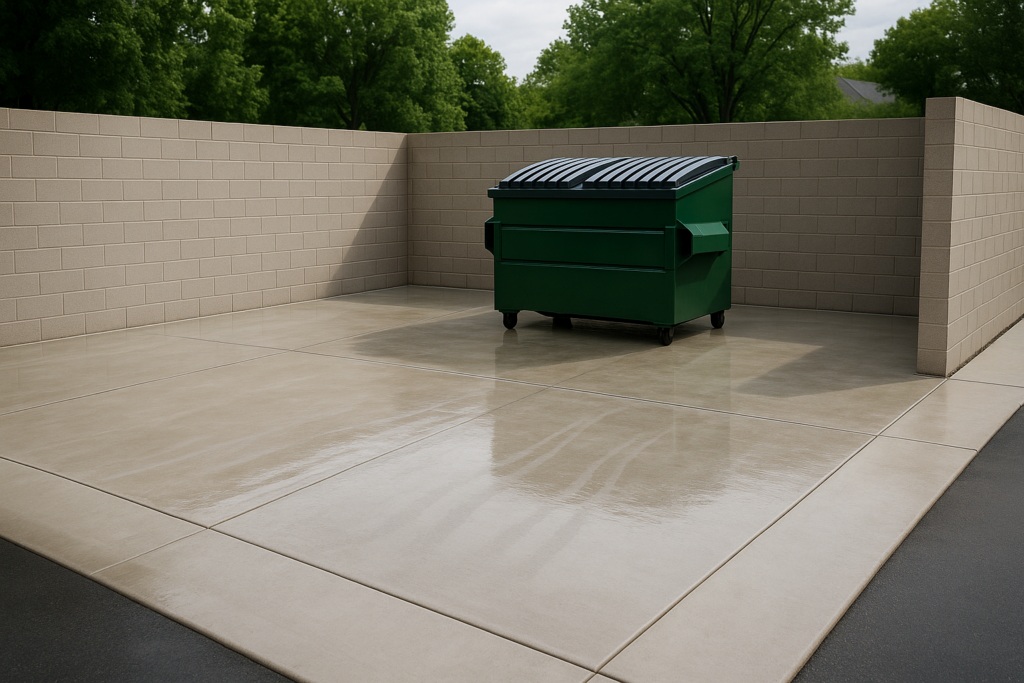
What is not allowed in a compactor? Maybe you manage a property in Battle Creek, MI and you need a clear list for staff or tenants. Compactors handle a lot of trash, but not everything should go in. Knowing what is banned keeps the unit working, reduces odors, and prevents contamination that makes cleanups messy and hazardous.
Why some items are banned
Items that can puncture, explode, or create dangerous fluids are not allowed because they compromise safety and sanitation. Banned materials attract pests, create long lasting odors, and lead to hazardous residues that require specialized cleaning. Compactors are designed for regular municipal or commercial waste, not for chemical or highly reactive materials.
Common items not allowed in a compactor
- Hazardous liquids and chemicals
- Flammable materials and aerosols
- Batteries and electronic waste
- Radioactive or medical waste
- Hot ashes or anything still burning
- Large amounts of food waste that can liquefy and plug drains
- Construction debris including large sharp objects and heavy concrete pieces
- Tires and large bulky items that jam the compactor
These materials can create contamination that sinks into pads, doors, and the surrounding surfaces. That contamination is exactly what professional compactor washing is designed to remove, but keeping these items out prevents recurring problems.
How compactor washing helps after banned items are found
When contamination occurs, compactor washing focuses on sanitation. Technicians use pressure washing trash compactor units, pads, doors, and surrounding surfaces using degreaser and high-volume water to remove waste buildup, odor-causing residue, and contamination. This process targets the waste-specific residues and biofilms that attract pests and cause health and safety issues. The right cleaning method restores a sanitary environment and reduces lingering smells.
Important warning: do not mix with general pressure washing or concrete cleaning. Compactor washing involves waste and sanitation-specific cleaning methods. That means equipment, cleaners, and disposal practices are chosen for waste and contamination control, not for general surface cleaning.
Practical outcomes
Keeping banned items out of your compactor makes maintenance simpler and extends the life of the unit. When a compactor does need cleaning, a sanitation-focused wash removes the tough residues and odors that normal pressure washing cannot handle safely. That lowers pest risk and improves safety for staff and visitors.
If you manage a commercial property in Battle Creek, MI and need professional compactor washing, Grand Rapids Pressure Washing handles these sanitation-specific cleanings and follows the techniques needed to remove contamination properly. Call Grand Rapids Pressure Washing at (616) 821-9301 or visit grandrapidspressurewashing.com for a free estimate.