
Why Is My Siding Turning Green in Grand Rapids, MI?
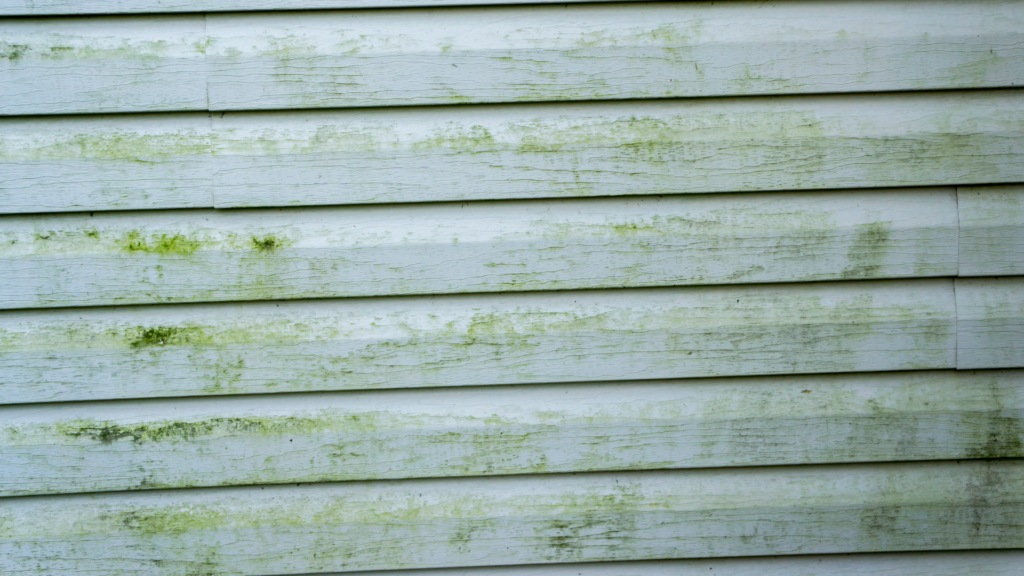
What the green stuff on siding really is in West Michigan
When homeowners in Grand Rapids notice a green haze or streaks on vinyl siding, soffits, fascia, or painted trim, the cause is usually organic growth, most commonly algae. It often starts as a thin film and expands as it traps airborne dust and pollen. As damp conditions persist, the film thickens and becomes more visible, especially on surfaces that do not dry quickly.
That is why searches like “green stuff on outside of house,” “green stuff on house siding,” and “what is the green stuff on my siding” are so common. The discoloration is not simply dirt that rinses off. It is a moisture-driven growth cycle that returns when the conditions stay the same, including shade, recurring wetting, and limited airflow near the siding.
Algae and mildew are opportunistic, and they do not require a neglected home to appear. Even well-maintained properties can develop green staining when they sit under heavy tree cover, when sprinklers hit the same wall repeatedly, or when gutters overflow and keep the siding damp along the roofline.
Why certain sides of your home turn green first
Most homes develop green staining unevenly, and the pattern usually points to what is driving it. In Grand Rapids, the fastest regrowth often shows up on north-facing elevations and in shaded corners because those areas dry slower after rain and morning dew. The zones that turn green first are often the same places you notice lingering moisture on cool days.
Shaded walls under mature trees or deep overhangs are common trouble spots because sunlight does not reach the siding long enough to dry it out. Dense landscaping can make the issue worse by blocking airflow and keeping the wall damp, especially when shrubs sit close to vinyl. Downspouts that discharge too close to the foundation can create repeated splash-back, which keeps the lower siding wet and feeds regrowth. Gutters that overflow often leave drip lines that keep fascia and upper siding damp in the same narrow bands where staining becomes obvious. Sprinkler overspray can also create a daily wetting pattern during warm months, which is one of the fastest ways to encourage recurring algae.
If you have ever walked through Frederik Meijer Gardens and Sculpture Park after a stretch of humid weather, you have seen how quickly greenery thrives when moisture is consistent. The same West Michigan humidity that supports lush landscapes can also feed algae growth on exterior siding when water lingers on the surface.
Why just pressure wash it can create new problems
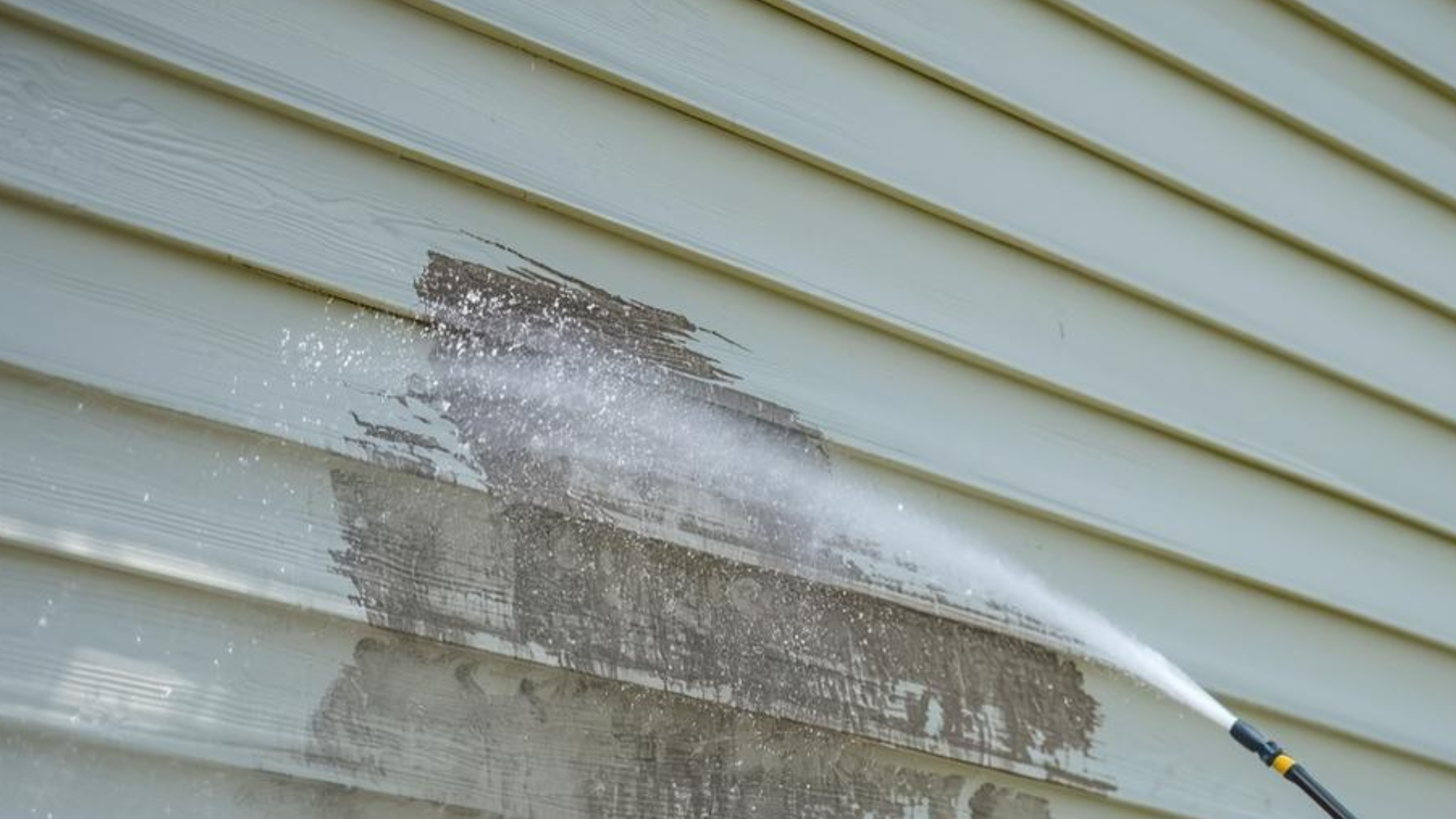
Many homeowners look up “house pressure washing near me” and assume higher pressure equals better cleaning. For concrete, controlled pressure can be appropriate. For vinyl siding, aggressive pressure often creates problems that may not be obvious until later.
High-pressure washing can force water behind siding panels where it can stay trapped, which increases the risk of moisture-related issues. It can disturb trim, seals, and caulk lines around windows and doors, and it can leave uneven results such as striping that makes the home look patchy. On older vinyl, high pressure can also make oxidation look worse by cutting through surface film unevenly. The goal is not to blast siding clean. The goal is to remove the algae film and stuck-on contamination without pushing water into places it does not belong, which is why a proper house wash is designed around controlled cleaning rather than force.
What to do immediately when you notice green streaks
If your siding is turning green, the best first move is to reduce the moisture cycle that fuels growth, then plan the right cleaning approach. Start by checking gutters and downspouts for overflow marks or drip lines that keep siding wet, because those patterns often explain why staining forms in the same places. If downspouts dump water too close to the home, extending them helps reduce splash-back and keeps the lower walls drier. Trimming shrubs and branches back from the siding improves airflow and drying time, which can slow regrowth significantly in shaded zones. It also helps to adjust sprinklers so they do not repeatedly soak the siding during irrigation cycles. As you do a walk-around, note where the staining is heaviest, because those zones often reveal the underlying moisture source.
Avoid scrubbing with abrasive pads, since that can dull the surface and make siding hold grime more easily. Avoid pressure washing upward under lap seams, which is one of the easiest ways to drive water behind panels. Also avoid random chemical mixes without understanding surface compatibility and runoff, because the wrong products can damage materials or landscaping. If green growth is widespread, professional house washing is usually the safest way to reset the exterior quickly and evenly.
How professional house washing removes green growth without damaging vinyl
Professional house washing is built around controlled treatment and rinsing. Instead of relying on force, it uses a process that breaks the bond of organic growth and lifts the stuck-on film so it can be rinsed away safely.
A typical service begins with an inspection of siding condition, oxidation, and vulnerable areas, followed by protection steps for plants and sensitive surfaces. A siding-safe solution is then applied to loosen algae and mildew, and it is given appropriate dwell time so the growth releases rather than smearing across the wall. Low-pressure rinsing follows to remove contamination without driving water behind panels. Finally, detail work focuses on soffits, corners, and drip lines where growth tends to return first.
Under Pressure Steam and Clean positions house washing as a core residential service in Grand Rapids and West Michigan, alongside roof cleaning, gutter cleaning, deck cleaning, and concrete cleaning, which matters because siding staining often connects to roof runoff and gutter performance. You can view their residential service overview here: residential exterior cleaning services.
How to keep your siding cleaner longer after a house wash
A house wash resets the surface, but longer-lasting results usually come from preventing repeated wetting and reducing trapped dampness on shaded walls. Homeowners who get the most durable outcomes typically treat exterior cleaning as seasonal maintenance instead of waiting until staining becomes obvious.
Keeping gutters flowing helps prevent overflow that repeatedly wets fascia and upper siding. Maintaining downspout extensions reduces splash zones that keep lower walls damp. Trimming back branches and vegetation improves airflow and sunlight exposure so siding dries faster after rain and dew. Ensuring mulch and soil are graded so water drains away from the home also helps reduce persistent dampness near the foundation line. Pay special attention to chronic damp zones behind shrubs, near hose bibs, and around sprinkler lines, because those areas tend to drive fast regrowth.
If the green returns quickly, it is usually because the same area stays wet, not because the cleaning failed. A local provider can often identify the pattern and recommend maintenance timing based on your property’s shade and moisture exposure.
Why local Grand Rapids conditions change the best cleaning plan
West Michigan exterior buildup is heavily influenced by humidity, rainfall patterns, and tree cover. A cleaning plan that works in a dry climate often underperforms here because surfaces stay damp longer and organic growth rebounds faster.
A good example is the moisture environment around trails and water features at Millennium Park, where tree cover and water access create consistently damp conditions. That is great for recreation, but on a home exterior it can mean siding dries slower after rain, which gives algae more time to spread.
Local experience matters because it helps determine which walls are most likely to turn green first, when seasonal growth spikes tend to occur, how to coordinate gutter cleaning, roof cleaning, and siding washing for better long-term results, and how to schedule maintenance to avoid rapid re-staining.
Why Under Pressure Steam and Clean is the best choice for house washing in Grand Rapids
Homeowners typically want two things at the same time: a visibly clean exterior and confidence that the cleaning method will not damage siding or force water into the home. Under Pressure Steam and Clean serves Grand Rapids with residential exterior cleaning services designed to restore curb appeal while respecting surface materials and drainage conditions. You can learn more about the company here: Under Pressure Steam and Clean.
If your siding is turning green, the best next step is a professional house wash paired with a quick moisture-source audit. That combination removes the current buildup and helps reduce the conditions that cause it to return.
FAQs
What is the green film on vinyl siding in Grand Rapids?
It is typically algae growth supported by shade and recurring moisture, often mixed with pollen and dust that helps it stick.
Why does the green staining show up mostly on one side of my house?
North-facing and shaded walls dry slower, which gives algae and mildew more time to grow.
Can pressure washing remove green siding stains safely?
It can remove some surface buildup, but high pressure can create problems on vinyl. A controlled house washing process is typically safer for siding.
How can I keep siding from turning green again?
Reduce recurring wetting, keep gutters flowing, improve airflow by trimming vegetation, and plan seasonal exterior maintenance based on shade exposure.